Nourishing Your Day with the Grounding Garden Salad Bowl: A Recipe for Simplicity
- Jillian Guralski
- May 27
- 6 min read

What Makes a Meal Feel Grounding?
Not every meal needs to be a masterpiece. Some of the most nourishing things you can eat are also the simplest ones to put together. The Grounding Garden Salad Bowl was built around that idea: a structured, flexible meal that feels supportive rather than stressful, whether you have twenty minutes or five.
The word "grounding" here is intentional. On busy days, low-energy days, or days when the last thing you want is another complicated decision, this salad acts as an anchor. It is familiar. It is flexible. And because the formula stays the same each time, you can return to it without thinking too hard.
That repeatability is the point.
The Problem with "Perfect Salad" Thinking
Many people approach salads with an all-or-nothing mindset. If they do not have the exact dressing, the freshest greens, or the right toppings, the meal feels like a failure before it starts. That kind of thinking is exhausting, and it leads to skipping meals or reaching for less nourishing options simply because they require fewer decisions.
Research on decision fatigue shows that the more choices a person has to make throughout the day, the worse those choices tend to become over time. Food is no exception. When you reduce the mental load around eating, you are more likely to follow through with something nourishing.
A repeatable salad formula solves that. You are not starting from scratch each time. You are assembling from a short, familiar list of ingredients you already trust.
Building Your Bowl: A Simple Three-Layer Formula
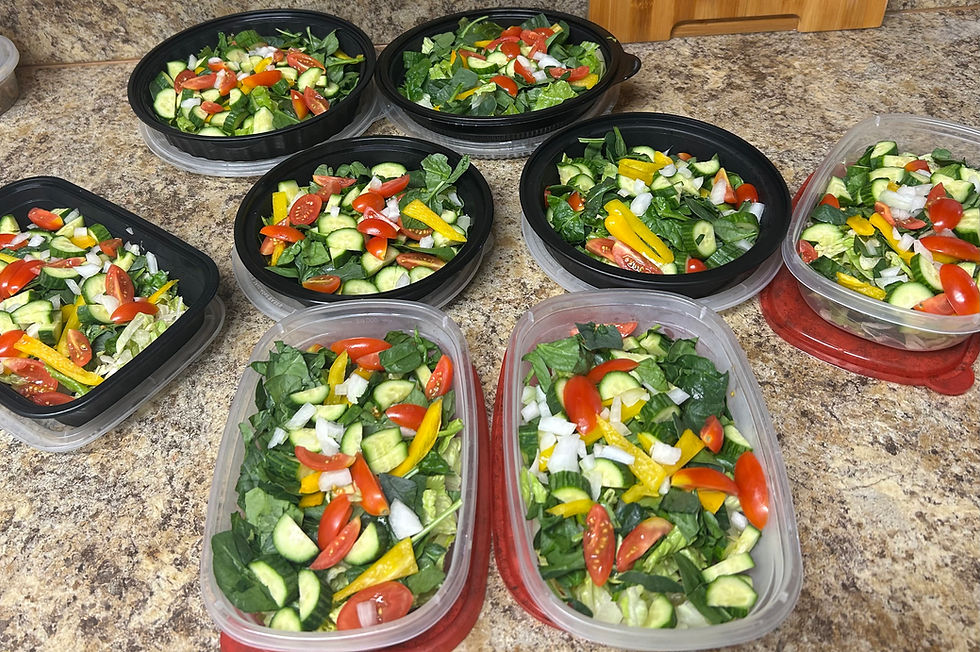
The Grounding Garden Salad Bowl follows a three-layer approach. Each layer has options so you can work with what you have, what sounds good, and how much energy you are bringing to the kitchen that day.
Layer 1: The Greens Base
Start with two or three greens for texture and balance. Mixing greens adds variety without extra effort. A combination of crisp romaine and soft butter lettuce, for example, gives you both structure and tenderness in a single bowl.
Good options include romaine, iceberg, spinach, spring mix, arugula, and butter lettuce. Each brings something slightly different: arugula adds a peppery bite, spinach adds iron and folate, romaine adds satisfying crunch. Choose based on what you have and what sounds appealing.
Layer 2: Vegetables and Color
Color matters more than most people realize. Different colored vegetables carry different antioxidants, vitamins, and minerals. Red tomatoes bring lycopene. Orange and yellow bell peppers are high in vitamin C. Cucumber adds hydration. Red onion supports circulation and adds a sharp, bright contrast to the softer greens.
Core vegetables to keep on hand: tomato slices, cucumber, colored bell peppers, and red onion. Optional additions like shredded carrots, radishes, avocado, olives, roasted vegetables, or chickpeas let you add more variety, more fiber, or more healthy fat depending on what your body needs that day.
Avocado in particular is worth highlighting. The healthy fats in avocado help your body absorb fat-soluble vitamins A, D, E, and K from the vegetables around it, making your salad more nutritionally effective, not just more filling.
Layer 3: Protein and Toppings
Protein is what keeps a salad from feeling like a snack. Aim for 15 to 35 grams depending on your hunger level and activity. Good options include grilled chicken, salmon, canned tuna, hard-boiled eggs, tofu, turkey, or chickpeas for a plant-based choice.
Toppings add texture and flavor without requiring extra cooking. Feta cheese adds a salty, creamy element. Pumpkin seeds and sunflower seeds add crunch and additional healthy fats. Croutons add heartiness. Fresh herbs like parsley, basil, or mint can completely change the flavor profile of a bowl with almost no effort.
Dressing Ideas
Keep at least one or two dressings ready in your fridge. Simple options that work well with this bowl:
Olive oil and balsamic vinegar
Lemon vinaigrette with a pinch of Dijon mustard
Greek dressing with oregano and red wine vinegar
Yogurt-based dressing for a creamy, protein-friendly option
Simple olive oil with dried herbs and a squeeze of lemon
None of these require a blender or special equipment. Most come together in under a minute.
What to Pair It With
On days when you need more, this salad pairs well with:
A warm bowl of soup for a fully grounding, comforting meal
A slice of hearty bread or a warm pita
Roasted potatoes for something more filling
Fresh fruit on the side for a natural, light sweetness
Adding a side does not make the meal complicated. It makes it complete.
How to Put It Together
The method is as simple as the ingredients list.
Step 1: Wash and prepare your greens and vegetables. This is the only prep step that takes real time, and even that can be done in advance.
Step 2: Build starting with your greens. Add vegetables, then protein, then toppings. Let your hunger, energy, and available ingredients guide what goes in. There is no wrong order and no required combination.
Step 3: Finish with dressing and serve fresh. If you are packing it for lunch, keep the dressing separate and add it right before eating to keep everything crisp.
Nutrition at a Glance
Because this bowl is so customizable, the nutrition varies. The estimates below reflect approximate ranges depending on what you include:
Nutrient | Approximate Range | Notes |
|---|---|---|
Calories | 250 to 500+ | Depends on protein and toppings added |
Protein | 15 to 35g | With a protein source included |
Fiber | 6 to 12g | Higher with chickpeas, avocado, or seeds |
Key Micronutrients | Vitamins A, C, K, folate, magnesium | From leafy greens and colorful vegetables |
This salad is also naturally hydrating. Cucumber, romaine, and tomatoes have high water content, which supports energy levels throughout the day, especially in warmer months.
Making It Work for Meal Prep
One of the most practical things you can do is prep the components of this bowl in advance rather than the full assembled salad. Wash and dry your greens, chop your vegetables, cook your protein, and store everything separately in airtight containers. Then, when it is time to eat, you are assembling rather than cooking.
This approach takes about 20 to 30 minutes once a week and removes the daily question of what to have for lunch. It works well for work lunches, simple weeknight dinners, and low-energy days when cooking from scratch feels like too much.
A few practical tips:
Dry your greens thoroughly before storing. A salad spinner speeds this up considerably, and drier greens stay crisp for 4 to 5 days.
Store dressing in a small jar separately and add it only when serving.
Keep a few pantry staples ready: canned chickpeas, canned tuna, and pumpkin seeds require no cooking and can fill a bowl in under three minutes.
Adapting the Bowl to What You Need
The same base formula can shift significantly depending on the day. Here is how to adjust it without overthinking:
Lower Effort
Canned tuna or chickpeas, pre-washed spring mix, cherry tomatoes, olive oil, and lemon. Ready in under five minutes with minimal cleanup.
Higher Protein
Grilled chicken or salmon, hard-boiled eggs, pumpkin seeds, and a yogurt-based dressing. Keeps you full for several hours and supports muscle recovery.
More Filling
Add roasted vegetables, avocado, feta, and croutons. Pair with warm soup or bread for a complete, deeply satisfying meal.
None of these variations require a new recipe. They are adjustments within the same familiar frame.
Simple Meals Still Count
There is a quiet pressure in wellness culture to make eating elaborate. Vibrant grain bowls with twelve components, carefully plated lunches, sauces made from scratch. That kind of cooking has its place, but it is not the only way to nourish yourself well.
Simple meals count. A bowl of fresh greens with some protein and a drizzle of olive oil is real food. It supports your body, your energy, and your day just as much as anything more complicated.
The Jillian Method reflection at the heart of this recipe is worth sitting with: supportive meals do not need to be complicated to feel nourishing. Structure, in this context, simply means keeping good ingredients available, building from familiar basics, and creating meals you can return to without resistance.
The goal was never the perfect salad. The goal is a bowl you will actually make, on a Tuesday when you are tired, when the week is full, when you need something that feels easy and good at the same time.
That is the Grounding Garden Salad Bowl. And it is more than enough.
This post is for informational purposes only and does not constitute medical or nutritional advice. Nutritional estimates are approximate. Please consult a registered dietitian or healthcare provider for personalized guidance.

Comments